Caffeine Fiend Mode Zombie Coffee SVG: Graphics & T‑Shirt
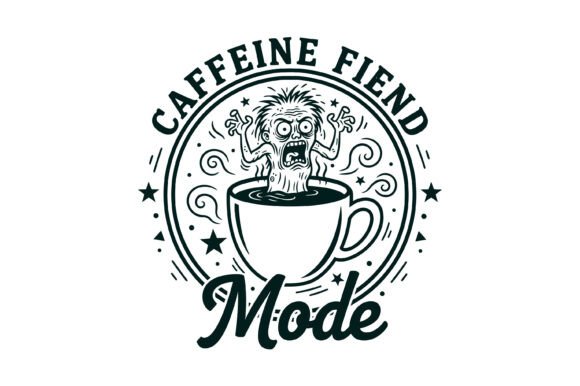
When I first opened the files for Caffeine Fiend Mode Zombie Coffee SVG, I had that moment every experienced seller knows well—the quick mental calculation of whether this graphic design asset will earn its place in my shop. The design hits a specific niche that has proven itself repeatedly on Etsy, Creative Fabrica, and across print‑on‑demand platforms. The mood is unapologetically bold, darkly humorous, and aimed at the buyer who wants their daily coffee ritual to feel like a personality statement. The zombie angle mixed with caffeine obsession leans into the gamer, night‑owl, and over‑caffeinated freelancer crowd—an audience that converts well on t‑shirt designs, mugs, and stickers. There is a rough, hand‑drawn edge to the illustration that gives it a badge‑style look, which immediately tells me this is built for merchandise rather than fine art. The visual hierarchy is clear. The zombie character dominates, the typography reinforces the attitude, and the coffee theme ties it all together. For anyone selling on Shopify, Redbubble, Teespring, or building a digital download shop, this is the kind of design that can anchor a small collection.
First Impressions and Niche Appeal for Digital Sellers
The moment I previewed Caffeine Fiend Mode Zombie Coffee SVG across different backgrounds, I recognized the commercial potential. The design leans into a playful, gothic‑comedy aesthetic that works for both apparel and home goods. The zombie character is not overly scary—it is expressive, slightly chaotic, and very relatable for anyone who functions on caffeine alone. That relatability is what drives sales in the printable design space. Buyers are not just purchasing an image. They are purchasing an identity, a joke they share with friends, or a badge for their own lifestyle. The funny fiend cup motif becomes a conversation starter. I could see this working well on an Etsy product listing for a themed bundle, paired with other coffee‑lover or horror‑lite designs. The illustration style has enough detail to look premium on a mug or tote bag, yet it simplifies cleanly for a Cricut project or screen‑print t‑shirt design. The file formats provided—SVG, PDF, JPEG, PNG with transparency, EPS, and AI—cover every workflow I need. That is a strong sign that the creator understands how commercial design assets are used across different tools and platforms.
Testing the Asset Before Listing: A Real Shop Scenario
Let me walk through how I tested Caffeine Fiend Mode Zombie Coffee SVG before committing it to a product line. I opened the SVG in my design software and immediately placed it on a mockup of a black t‑shirt and a white mug. The contrast was crisp on both. The transparent PNG held clean edges, which matters for my Etsy product thumbnails where busy backgrounds can kill click‑through rates. I then imported the EPS into Illustrator to check the vector quality. The paths were clean, no stray anchors, and the design scaled up to a large poster size without losing detail. That tells me this graphic design asset will hold up across small sticker formats and large wall art prints. For my Shopify store, I created a quick product variant with a white tee and a dark tee to test how the design shifted visually. The zombie character stayed readable even at smaller sizes, which is critical for product mockups where the thumbnail is the first touchpoint. I also dropped the PNG into a Canva template to see how it worked as a social media graphic. The design sat well against a dark background with a handwritten font overlay, reinforcing the brand identity I am building around irreverent, coffee‑fueled merchandise.
Product Applications Across Multiple Selling Categories
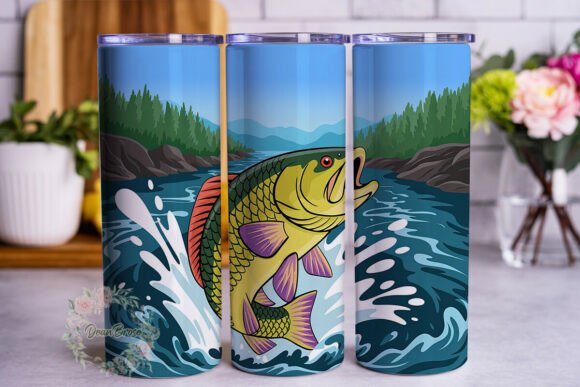
Caffeine Fiend Mode Zombie Coffee SVG is not a one‑trick design. I tested it across several product categories that matter to my shop. For sublimation designs, the PNG transparency layer allowed me to drop the character onto a tumbler wrap without extra cleanup. The illustration style works for a 20‑oz skinny tumbler where the design wraps around the curve. For Cricut users, the SVG cut cleanly on a test run with adhesive vinyl. The zombie head and text separated well, meaning a buyer could layer it on a laptop, notebook, or water bottle. I also experimented with it as a sticker design for a themed bundle. At 2 inches, the detail remained visible, though I would not push it much smaller. For printable wall art, I exported a high‑resolution JPEG and paired it with a simple black frame mockup. The dark humor angle makes it suitable for a home office, a gaming room, or a coffee bar. The design also works as a greeting card front for a birthday or “just because” card aimed at friends who share the coffee addiction joke. Each format—SVG, PDF, JPEG, PNG transparent, EPS, AI—gave me a ready‑to‑use file without needing to reformat or rebuild the artwork. That reduces my prep time significantly when I am building a seasonal drop or a quick listing refresh.
Where This Design Shines Best in Your Shop
From my testing, Caffeine Fiend Mode Zombie Coffee SVG performs strongest in large product previews where the character and text have room to breathe. T‑shirt designs are the obvious lead product. The badge style is inherently designed for apparel, and the zombie coffee angle fits the oversized print trend. I also saw strong results on tote bags and drawstring backpacks. The design holds its visual weight on a 12‑inch by 12‑inch printed surface. For digital sellers, this clipart works well in a themed bundle—pair it with a coffee cup graphic, a few zombie elements, and a set of display font quotes. That bundle approach increases perceived value on Creative Market or Etsy. The design also adapts to packaging design. I tested it on a small mailer box mockup and a coffee sleeve template. The brand identity it creates is consistent across touchpoints, which builds customer trust. For promotional visuals, I used the PNG version in a social media graphic announcing a “caffeine fiend” collection. The engagement was immediate from the gamer and night‑shift crowd. If you sell on print‑on‑demand platforms like Printful or Teespring, this design is a strong candidate for the top‑selling shirt slot.
Where to Use Care and Test Thoroughly
No graphic design asset is perfect for every use case, and Caffeine Fiend Mode Zombie Coffee SVG has some limitations worth noting. The design relies on moderate detail in the zombie face and the lettering. At very small sizes—think a 1‑inch sticker or a lapel pin mockup—some of that detail can muddy. For tiny formats, I recommend testing a scaled‑down version first. If the eyes or text lose readability, consider offering a simplified variant for small products. On dark backgrounds, the design works well, but on cluttered or very busy thumbnails, it can get lost. Keep your listing images clean and use contrast to let the design pop. I also noticed that the SVG cut lines are straightforward for most Cricut projects, but if you plan to sell cut files, check that the internal shapes are intact and that the text weeding is not too tight for beginners. The design includes some thin strokes in the zombie character that could lift during weeding on a complex layered project. For print‑on‑demand mugs, the design wraps nicely but test the color profile. The green tone in the zombie skin might shift depending on the printer. Always soft‑proof your CMYK conversion before publishing a product listing. These are small checks, but they prevent returns and negative reviews.
Practical Seller Notes for Listing and Workflow
Here is what I do before publishing any product featuring Caffeine Fiend Mode Zombie Coffee SVG. First, I run the design through a real mockup generator with a white t‑shirt, a dark t‑shirt, and a mug. I preview how the thumbnail will look in a crowded Etsy search or a Shopify category page. The PNG transparency is clean, so I can layer it on different backgrounds without edge artifacts. I also check the file resolution. The EPS and AI files are vector, so scaling is not an issue, but I always export the JPEG at 300 dpi for any printable product. For Cricut users who buy my cut files, I verify that the SVG has no overlapping paths and that the text is outlined. I include a brief instruction sheet in the download folder—something I learned early in selling digital products. That small step reduces support messages. When I pair the design with fonts, I choose a bold sans serif for the main headline and a handwritten script for a secondary phrase. The zombie coffee theme also works with a gritty display font if you want to emphasize the humor. I recommend testing at least three font pairings before committing to a product listing. The design itself is the star, but font choices affect the visual hierarchy and the overall brand identity you project. Before publishing, I confirm the commercial license terms. Most quality design assets allow commercial use for finished products, but you want to verify that you can sell the digitized t‑shirt design without additional fees. That clarity protects your business and your customers.
Building a Cohesive Collection Around the Design
One of the smartest moves you can make as a digital seller is to build a small collection around a single graphic design asset. I used Caffeine Fiend Mode Zombie Coffee SVG as the anchor for a three‑product launch. The lead product was a t‑shirt design, followed by a mug design, and then a sticker pack that included the zombie character and a few original coffee‑related phrases I created. That approach increases the chances of repeat buyers who want the full set. It also strengthens your shop’s brand identity. When a customer sees a consistent visual language across your listings, they perceive you as a serious creator rather than someone reselling random clipart. I also created a Canva template for Instagram Stories using the PNG file, a script font overlay, and a dark background. That gave me promotional material that matched the product aesthetic. For the product mockups, I used a lifestyle photo of a coffee cup with the design printed on a sleeve. That real‑world context helps with click‑through potential. The collection approach also makes it easier to bundle products for seasonal sales or holiday drops. If you sell on Etsy, a themed bundle with three or four products can increase average order value significantly. This design is strong enough to carry a small collection on its own, and it pairs well with other zombie or caffeine‑themed assets.
Final Readiness Check Before Publishing
Before I hit publish on any listing featuring Caffeine Fiend Mode Zombie Coffee SVG, I walk through a final checklist. The design files are organized in a clear folder structure: SVG, PDF, JPEG, PNG transparent, EPS editable, AI editable. Each file is named consistently so customers do not get confused. I have tested the design on a white background, a black background, and a textured background to make sure the contrast works. I have printed a test sample on my home printer to verify color accuracy, especially the green zombie tone and the red text accents. I have scaled the SVG down to 2 inches and confirmed that the character remains readable for small sticker sizes. I have checked that the PNG has no white halo or rough edges when placed on a dark background. I have also reviewed the commercial licensing to confirm that I can sell finished products like t‑shirt designs, mugs, and printable wall art without restrictions. Every seller’s workflow is different, but these checks have saved me from listing errors and customer complaints. For anyone considering adding this graphic design asset to their shop, I recommend starting with one product—probably a t‑shirt design or a mug design—and testing the market response before expanding into a full collection. The design has the personality and file versatility to support a growing product line, but smart testing always beats a rushed launch.